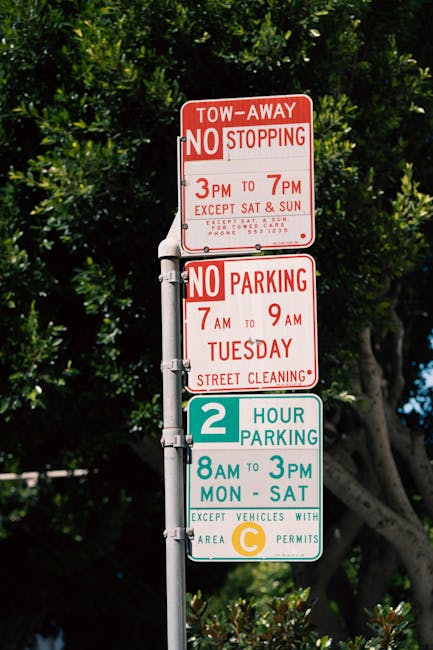
Do I need a permit for skips in Coney Hall? Council rules
If you are planning a clear-out, a renovation, or a garden overhaul, the first question is often the same: do I need a permit for skips in Coney Hall? Council rules can feel confusing at first glance, especially when you are juggling delivery dates, driveway space, neighbours, and the last thing anyone wants: an avoidable fine or a delay on site. Truth be told, this is one of those local details that can save you a real headache if you get it right early.
This guide explains when a skip permit is usually needed, why it matters, how the process typically works, and what practical options you have if you want the job done cleanly and legally. It also covers common mistakes, compliance points, and a simple checklist so you can move forward with a bit more confidence. If you are sorting a bigger project, you may also want to look at waste removal support or related services such as builders waste clearance and garden clearance.
Table of Contents
- Why Do I need a permit for skips in Coney Hall? Council rules Matters
- How Do I need a permit for skips in Coney Hall? Council rules Works
- Key Benefits and Practical Advantages
- Who This Is For and When It Makes Sense
- Step-by-Step Guidance
- Expert Tips for Better Results
- Common Mistakes to Avoid
- Tools, Resources and Recommendations
- Law, Compliance, Standards, or Best Practice
- Options, Methods, or Comparison Table
- Case Study or Real-World Example
- Practical Checklist
- Conclusion
- Frequently Asked Questions
Why Do I need a permit for skips in Coney Hall? Council rules Matters
The short answer is: if the skip will sit on a public highway, road, verge, or pavement, a permit is usually required. If it is placed entirely on private property, such as a driveway with enough space and safe access, a permit is often not needed. That basic rule sounds simple, but in the real world there are plenty of grey areas. A corner of the skip overhanging the kerb, blocking a footpath, or making parking difficult can all change the situation.
Why does this matter so much? Because council rules are there to protect visibility, pedestrian safety, road access, and emergency routes. A skip left in the wrong place can become more than an inconvenience. It can affect traffic flow, create a trip hazard, or cause complaints from neighbours. And if you are carrying out work in a busy residential street, those little risks add up quickly.
There is also a practical side. If your skip arrangement is sorted properly, the whole project tends to run more smoothly. Deliveries arrive when expected, waste does not stack up in the hallway, and you are not making awkward midnight trips to the tip in the boot of your car. Let's face it, nobody enjoys that part.
Expert summary: In Coney Hall, the deciding factor is usually not what you are throwing away, but where the skip will be placed. Public land normally means a permit; private land normally does not, provided access and safety are acceptable.
If your job is more about clearing bulky items than filling a container, a service like house clearance or loft clearance may be a better fit than hiring a skip at all.
How Do I need a permit for skips in Coney Hall? Council rules Works
A skip permit is essentially permission to place a skip on land that is controlled by the local authority, usually the road or pavement outside your property. The permit is normally applied for in advance, and the skip hire provider often handles the paperwork for you. That is the convenient route, and in practice it is usually the one people choose because it keeps the admin tidy.
Here is the usual flow:
- You decide where the skip will go.
- You check whether that spot is private or public land.
- If it is public, a permit is arranged before delivery.
- The skip is placed with the required safety measures in place.
- The permit remains valid for the approved period only.
That last bit matters. Permits are not open-ended. If the skip stays longer than approved, or if it is moved to a different spot, you may need a fresh permission or an extension. Sounds small, but these are the details councils tend to care about.
Most people in Coney Hall end up deciding between two main options:
- Skip on a driveway or private forecourt - usually no permit needed if the space is fully private and the skip fits safely.
- Skip on the road or pavement - permit usually needed, along with visibility and safety conditions.
If you are unsure whether your frontage is genuinely private or partly adopted land, it is worth checking before the lorry turns up. A few minutes of caution saves a lot of back-and-forth later.
Key Benefits and Practical Advantages
Getting the permit question right is not just about avoiding trouble. It also makes the whole waste removal process more efficient. There are a few practical benefits that people often miss on the first pass.
- Less risk of delay - no last-minute cancellation because the skip cannot be legally placed.
- Better site safety - the skip is positioned where it will not obstruct pedestrians or vehicles.
- Cleaner project planning - builders, decorators, or family members know where waste is going.
- Fewer neighbour issues - a properly placed skip is less likely to cause complaints.
- More predictable costs - you avoid re-delivery charges, permit problems, or rushed changes.
In a home renovation, those benefits can be surprisingly useful. A skip on a narrow road can become a bottleneck very quickly. In an office move or commercial clear-out, the issue is even sharper because staff access, loading bays, and public walkways all matter. If that sounds familiar, it may be worth comparing a skip against office clearance or business waste removal instead.
One small benefit people rarely mention: a permit-approved skip tends to make the whole job feel more organised. Not glamorous, but helpful. You know where you stand, which is half the battle sometimes.
Who This Is For and When It Makes Sense
This topic matters for anyone in Coney Hall who is planning waste-heavy work and does not have unlimited private space. That includes homeowners, landlords, small business owners, tradespeople, and anyone clearing a property after a tenancy or renovation.
It makes sense to look at permit rules if you are:
- clearing a loft, garage, garden, or shed
- removing bulky furniture or broken items
- managing builders' rubble, tiles, timber, or mixed renovation waste
- preparing a flat or rental property for handover
- sorting an office, shop, or workspace with limited rear access
For some jobs, a skip is the obvious choice. For others, it is not. A kitchen rip-out with heavy mixed waste may suit a skip very well. A furniture-only clear-out might be better handled through dedicated furniture clearance or furniture disposal. Small difference, big impact.
And if your garden has become a bit of a Friday-night storage zone for old pots, bags, broken fencing, and those mysterious items nobody claims, garden clearance can sometimes be a simpler route than a skip. It depends on volume, access, and how quickly you need the waste gone.
Step-by-Step Guidance
If you want a straightforward way to think about the process, follow these steps.
1. Identify where the skip will go
Measure the space carefully. A skip needs more than just the footprint of the container itself. The lorry also needs room for delivery and collection, and the area must remain safe for foot traffic. If the front of your property feels tight, it probably is.
2. Decide whether the land is private or public
Private drive? Probably fine, if the skip fits and does not overhang onto the road. Public road or pavement? Expect a permit requirement. If there is any doubt, ask early. That is much easier than trying to fix the problem after delivery.
3. Confirm the type of waste
Some waste streams are straightforward mixed household waste; others need more care. Builders' waste, soil, plasterboard, green waste, and bulky furniture may all affect the right container choice. Choosing the wrong option can mean extra charges or wasted space.
4. Check if the provider arranges permits
Many skip hire companies handle the permit application as part of the service. That can be a relief, honestly. You still need to give accurate details, though, including the exact location and the dates needed.
5. Arrange delivery and collection windows
Make sure the permit window matches the delivery and uplift schedule. This sounds obvious, yet it is one of the most common places things go wrong. A permit that starts too late or ends too soon can create avoidable hassle.
6. Load the skip correctly
Do not overfill it. Waste should sit level with the top edge, unless the provider has specifically agreed otherwise. Loose material can fall out, and that is a safety issue as well as a nuisance.
7. Keep the area clear
Try to avoid parking across the skip or blocking access to it. If neighbours share the street, a little courtesy goes a long way. The morning after delivery can be messy enough already.
Expert Tips for Better Results
Here are a few practical tips from the sort of jobs that go smoother because someone thought ahead.
- Choose the smallest suitable skip. Bigger is not always better if the frontage is tight.
- Break down bulky items first. Flat-pack timber, dismantled shelving, and collapsed cardboard take up much less room.
- Keep segregated waste separate where possible. It can simplify disposal and improve recycling.
- Book ahead during busy periods. School holidays, end-of-month moves, and pre-renovation rushes can all squeeze availability.
- Take a quick photo of the proposed location. It helps clarify access and avoids misunderstandings.
- Leave enough time for collection. One extra day of breathing room is often worth it.
A useful little habit: stand where the skip would sit and look at the route to it. Imagine carrying a heavy old chest of drawers or a bag of rubble at 8am in damp weather. If the route feels awkward, it probably is. That instinct is usually right.
For larger property clear-outs, especially where furniture, loft items, and mixed household goods are involved, a combined service such as home clearance or flat clearance may reduce the need for a skip altogether.
Common Mistakes to Avoid
This is where many people trip up, and it is usually nothing dramatic. Just a series of small assumptions that add up.
- Assuming a driveway is private when part of it is not. Boundary lines matter.
- Booking the skip before checking access. Delivery vehicles need space to manoeuvre.
- Leaving permit arrangements until the last minute. That can push your schedule back.
- Overfilling the skip. It is unsafe and may stop collection.
- Ignoring weight limits. Heavy materials can change what size or type of skip is appropriate.
- Forgetting about neighbours or shared access. Shared driveways can be tricky.
- Using a skip for restricted waste. Some items need special handling and should not go in a mixed container.
One particularly common mistake is treating skip hire like a simple drop-and-go service. It can be, but only if access, permits, waste type, and timing all line up. If not, you end up paying for the slip-up. Nobody likes that part.
Tools, Resources and Recommendations
You do not need a complicated toolkit to sort this out, just a few practical checks and the right service mix.
- Measuring tape - to check width, length, and turning space.
- Phone camera - useful for recording the proposed skip location and access route.
- Simple waste list - write down what you are getting rid of before deciding on a skip size.
- Calendar or project plan - especially if builders, decorators, or tenants are involved.
- Clear communication with the provider - say exactly where the skip will go and what it will contain.
If you are comparing ways to manage a larger load, it may help to look at related services such as builders waste clearance, garage clearance, and loft clearance. Those are often more suitable when you want labour included and do not want waste sitting around for days.
For anyone budgeting carefully, the pricing and quotes page can be a sensible starting point to understand how the overall service is structured. And if sustainability matters to you, have a look at recycling and sustainability to see how responsible disposal is approached.
Law, Compliance, Standards, or Best Practice
In the UK, skip placement is usually governed by local permit rules and general highway safety expectations. The practical rule of thumb remains the same: if it goes on public land, permission is normally needed. If it stays on private land, you still need to make sure access is safe and the skip does not create a hazard.
There are a few best-practice points worth keeping in mind:
- Safety first - visible placement, especially at night or in low light, matters.
- Traffic and pedestrian access - footpaths should not be blocked if avoidable.
- Waste duty of care - waste should be handled and disposed of responsibly.
- Correct segregation - some materials need special treatment or separate streams.
- Permit adherence - if a permit is issued, the location and dates must match what was approved.
Best practice also means being honest about the type and amount of waste. If your load includes heavy rubble, wet soil, or mixed commercial waste, say so upfront. It is far better to have the right setup than to find out at collection time that the plan was off by a mile.
For business users, the compliance picture can be slightly tighter because access, staff safety, and business continuity all matter at once. In those cases, a more structured service such as business waste removal is often easier to manage than a street skip.
Options, Methods, or Comparison Table
Choosing between a skip and another clearance method usually comes down to access, volume, and how much manual handling you are happy to deal with.
| Option | Best for | Permit needed? | Main advantage | Main drawback |
|---|---|---|---|---|
| Skip on private driveway | Households with space and easy access | Usually no | Convenient and simple | Only works if space is adequate |
| Skip on road or pavement | Properties with limited frontage | Usually yes | Lets you work without using driveway space | Requires planning and council permission |
| Full waste clearance service | Heavy, bulky, mixed, or awkward items | No skip permit usually needed | Less lifting and less admin | May be less suitable for ongoing DIY waste |
| Builders waste clearance | Renovation and trade work | No skip permit usually needed | Quick removal of rubble and trade debris | Needs clear access and timing |
For many Coney Hall residents, the decision is really between convenience and control. A skip gives you a holding space. A clearance service gives you speed. Neither is universally better. It depends on the mess in front of you, and sometimes that mess is bigger than it first looked. Happens all the time.
Case Study or Real-World Example
Picture a typical semi-detached house in Coney Hall on a fairly narrow residential street. A family is clearing out a garage, replacing part of the garden fence, and getting rid of a stack of old shelves and broken storage tubs. At first, they assume a skip can go just outside the front gate because it seems convenient.
Once they measure the frontage properly, they realise the vehicle would partially block the pavement and make parking tight for neighbours. That changes the plan. Instead of trying to force a roadside skip into a difficult space, they compare options and decide on a clearance service for the bulky items, plus a smaller container on private ground for the remaining waste. Less stress, fewer access problems, and no last-minute scramble for a permit.
That is a very normal outcome, by the way. Not every job needs the same solution. The best result often comes from matching the service to the space, rather than the other way around.
Another common scenario is a flat clearance where there is no driveway at all. In that case, a skip permit may be unavoidable if a container is needed, but a direct clearance service can often be much more practical. If you are dealing with a smaller property, flat clearance is worth comparing before you commit to a roadside skip.
Practical Checklist
Use this quick checklist before you book anything.
- Have I confirmed whether the skip will sit on private or public land?
- Is there enough access for delivery and collection vehicles?
- Do I know what type of waste I am putting in it?
- Have I checked whether the skip size matches the job?
- Is the permit being arranged by the provider, or do I need to handle it?
- Have I allowed enough time for delivery, loading, and collection?
- Will the skip block a pavement, gate, or shared access route?
- Do I need an alternative such as waste removal or clearance instead?
- Have I told the provider about heavy, awkward, or mixed waste?
- Have I kept a note of the agreed dates and placement details?
Quick takeaway: if the skip is staying entirely on your own land, you are often fine. If it touches public space, assume a permit is needed until checked otherwise.
Conclusion
So, do you need a permit for skips in Coney Hall? In most cases, yes if the skip is going on a public road, pavement, or verge; no if it stays fully on private property. The key is to check the location properly, not just estimate it from the pavement or the feel of the frontage. That small bit of preparation makes the rest much easier.
The smartest approach is to match the waste solution to the space you actually have. For some jobs, that means a skip with the right permit in place. For others, a clearance service is cleaner, quicker, and less fussy. Either way, a calm plan beats a rushed one every time.
If you are still weighing up the best option, it can help to review about us for a sense of how the service works, or head to contact us if you want to talk through access, waste type, or timing. Small decisions now can save a lot of noise, mess, and stress later.
Get a free quote today and see how much you can save.
Frequently Asked Questions
Do I need a permit for a skip on my driveway in Coney Hall?
Usually not, as long as the skip stays fully on private land and does not overhang the road or pavement. If the space is tight, it is worth double-checking the boundary and access before booking.
Do I need a permit if the skip is on the road outside my house?
Yes, in most cases. A skip on a public road normally needs permission from the local authority, and the permit should be arranged before delivery.
Who usually applies for the skip permit?
Often the skip hire company will handle it for you, but you should confirm this in advance. You still need to provide accurate details about the location and dates.
How long does a skip permit last?
That depends on the permission granted. It is important to match the permit dates to your actual delivery and collection schedule so the skip does not overstay.
Can I put a skip on the pavement if people can still pass?
Not automatically. Pavement placement usually still counts as public land and may need a permit, plus safe access and visibility requirements.
What happens if I place a skip without the right permit?
You may face enforcement action, fines, or removal issues. More practically, you could also delay your project and create a nuisance for neighbours or pedestrians.
Is a skip always the best option for a clear-out?
No. For furniture, loft contents, office waste, or mixed household items, a clearance service can sometimes be easier and more efficient than a skip.
Do I need a permit for a small mini skip in Coney Hall?
If it goes on private land, probably not. If it goes on a public road or pavement, size does not usually remove the permit requirement.
What if my property has a shared driveway?
Shared access can be tricky. You should make sure everyone affected is happy and that the skip will not block the route. In some cases, a permit or alternative placement may still be needed.
Can builders' waste go in a skip without extra rules?
Builders' waste can usually go in a skip, but the type and weight of the material matter. Heavy rubble, plasterboard, or mixed construction debris may affect the right container and pricing.
Should I choose waste removal instead of a skip?
If you do not have good access, do not want a container sitting outside, or need items lifted and taken away quickly, waste removal can be a better fit. It depends on the job and the space.
Where can I check more about service options and responsible disposal?
You can review service pages such as waste removal, recycling and sustainability, and pricing and quotes to help you decide what makes sense for your project.