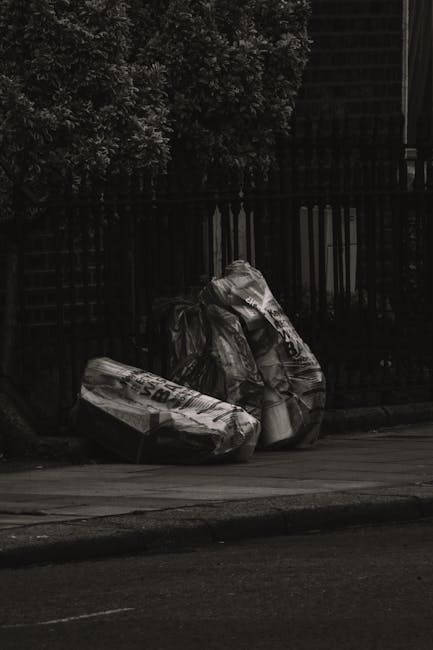
Guide to Bromley Council Bulky Waste Rules for Coney Hall
If you live in Coney Hall and you are staring at an old sofa, a broken wardrobe, or a mattress that has somehow become part of the room, the Guide to Bromley Council bulky waste rules for Coney Hall is exactly the kind of practical help you need. The rules are not complicated once you break them down, but they do matter. Put the wrong item out the wrong way, and you can end up with missed collections, extra hassle, or a fly-tipping headache nobody wants on a quiet Kent edge street on a damp Tuesday morning.
This guide explains how bulky waste collections usually work, what tends to be accepted, what commonly gets refused, and how to decide whether council collection or a private clearance route makes more sense. It is written for real households, not an imaginary perfect home where every item is clean, light, and neatly labelled. Let's be honest, that's not most homes.
Quick expert summary: If your bulky item is too large for normal bin service, check the council's current collection rules first, sort the item carefully, and be clear about access, lifting, and any restrictions. If you need faster removal, mixed items, or more flexibility, a professional clearance service can save time and reduce stress.
For readers who want a broader local clearance overview too, it can help to look at waste removal support, house clearance, or furniture disposal alongside the council rules. Different jobs, same end goal: get rid of the stuff properly.
Table of Contents
- Why the rules matter in Coney Hall
- How bulky waste collection works
- Key benefits and practical advantages
- Who this is for and when it makes sense
- Step-by-step guidance
- Expert tips for better results
- Common mistakes to avoid
- Tools, resources and recommendations
- Law, compliance, standards and best practice
- Options and comparison table
- Case study or real-world example
- Practical checklist
- Conclusion
- Frequently asked questions
Why Guide to Bromley Council bulky waste rules for Coney Hall Matters
Bulky waste rules exist for a simple reason: large household items do not fit in normal collection systems. That sounds obvious, but the practical impact is bigger than people expect. A sofa left at the kerb without the right arrangement can become an obstruction. A fridge with the wrong components can be rejected. A pile of mixed items can create confusion about whether the collection is even allowed.
For Coney Hall residents, this matters because local streets often have a mix of detached homes, driveways, narrow access points, and shared approaches. Not every house presents the same collection conditions. One property can roll a wardrobe straight out to the front, while another needs careful carrying through a side gate and down a short path. That's where planning saves the day.
There is also a trust issue. When people are unsure about council collection rules, they sometimes leave items out too early, assume a neighbour will sort it, or try to "deal with it later." Later usually means the item sits there for days. And then, as luck would have it, rain arrives. The fabric sags, the cardboard softens, and the whole thing looks worse than it did yesterday.
Understanding the rules helps you:
- avoid rejected collections
- reduce the chance of nuisance or obstruction
- prepare items correctly for collection
- choose the cheapest sensible disposal method
- decide when a council service is enough and when it is not
How Guide to Bromley Council bulky waste rules for Coney Hall Works
In plain English, bulky waste collection is a service for large items that cannot go in your wheelie bin or normal refuse sacks. Councils typically set conditions around what can be collected, how many items count as one booking, where the items must be placed, and whether the collection must be booked in advance. The exact details can change, so it is always wise to check the current council guidance before you book anything.
Most residents should expect a process along these lines:
- Identify the items you want removed.
- Check whether they are bulky household waste or something that needs special handling.
- Make sure the items are accessible on the agreed collection day.
- Follow any packaging, dismantling, or separation instructions.
- Book the collection if the council requires advance scheduling.
- Place the items out only when instructed.
That last step is where many people trip up. Some councils ask for items to be left at the boundary, while others specify another collection point. If you put them out too early, you may be attracting attention you really do not want. It's one of those oddly mundane things that becomes important fast.
Bulky waste can include things like furniture, mattresses, shelving, and some large domestic items. But there are usually limits. Items containing hazardous substances, construction debris, or electrical items that need separate handling may not be accepted under the standard bulky waste route. For those situations, a dedicated clearance service may be more suitable. If you are dealing with a shed full of mixed clutter or old furniture and bits of general junk, a garage clearance or home clearance service can be more practical than trying to bend the council process to fit.
Key Benefits and Practical Advantages
Using the right bulky waste route is not just about tidying up. Done well, it saves time, avoids stress, and reduces the risk of getting an item rejected. There is a very real relief in seeing a large awkward thing disappear without a week of back-and-forth messages. Truth be told, that relief is half the reason people book any clearance at all.
The main advantages are straightforward:
- Convenience: a planned collection is easier than trying to drag heavy items to the tip yourself.
- Order: you know what should happen, when it should happen, and what you need to prepare.
- Safety: proper handling reduces the risk of back strain, scrapes, and damage to walls or floors.
- Environmental responsibility: the right route helps items be reused, recycled, or disposed of properly.
- Less clutter: clearing space quickly makes a home feel calmer, especially in smaller rooms or tight hallways.
There is also a mental benefit people underestimate. A bulky item can sit there for weeks and quietly annoy you every time you walk past. Once it is gone, the room feels different. Lighter somehow. Cleaner. More usable. You notice the space more than the thing that was blocking it.
If sustainability matters to you, check the company's recycling and sustainability approach. Even if you use a council route, the principle is the same: avoid unnecessary disposal and keep recyclable materials in circulation where possible.
Who This Is For and When It Makes Sense
This guide is for anyone in Coney Hall who needs to dispose of one or more large household items and wants to do it properly. That could be a homeowner clearing out a spare room, a tenant leaving a flat, a family dealing with old furniture after a rearrangement, or someone who has finally decided the collapsed garden chair is not, in fact, coming back to life.
It tends to make sense when you have:
- one or two large household items
- furniture that is too awkward for normal bin collections
- an item that needs advance booking or special placement
- a small amount of mixed bulky waste
- a deadline, such as end of tenancy, moving day, or probate clearance
It may also be useful if you are comparing council collection with a private service. For example, a council bulky waste booking can work well when you have a short list of items and you are happy to wait. A private clearance can work better if the job includes stairs, several rooms, mixed waste, or furniture that needs careful dismantling. In some cases, a dedicated furniture clearance service is the cleanest answer.
Who is it less suitable for? Usually people with large volumes, builder's spoil, or business waste. Those are different categories altogether. A few office chairs, yes maybe. A van full of old shop stock, no. That is where business waste removal or another targeted service is the better fit.
Step-by-Step Guidance
If you want to avoid last-minute problems, take the process one step at a time. It does not need to be a drama.
1. Make a complete list of what you want removed
Write down every item. Do not rely on memory. People often forget the small awkward things: a side table, a broken fan, a lamp base, or the loose chair that has been "temporarily" living in the hallway for three months. List them all and group similar items together.
2. Check whether anything needs separate handling
Some items are not treated as ordinary bulky waste. Electricals, fridges, freezers, gas-related items, and certain materials may need separate arrangements. If in doubt, treat it cautiously. A quick check now can save a rejected collection later.
3. Measure access, not just the item
This part gets overlooked a lot. A wardrobe might fit through a door on paper, but not around the stairwell turn. Measure hallways, door widths, and any tight bends. If the item needs dismantling, decide that before collection day.
4. Prepare the item correctly
Where allowed, remove contents, detach loose parts, and make the item safe to move. Tape doors shut if necessary. Remove glass where appropriate. If the item is dirty or damaged, that is normal; just keep it safe and manageable.
5. Book the right service
If the council route is suitable, book according to the current rules. If not, use a professional clearance option that matches the job. For larger domestic projects, house clearance can be useful because it handles more than a single bulky item. That is the point. Don't force a square peg into a round hole.
6. Place items where instructed
Follow the collection point instructions exactly. If items are meant to be left by the front boundary, do that. If they need to be inside a specific access point, keep them there until collection time. Small thing, but very important.
7. Keep proof and notes
Save booking details, any reference numbers, and the date you arranged. If something goes wrong, you will be glad you did. People rarely print things anymore, but a screenshot still counts. Old-fashioned? Not really. Sensible.
Expert Tips for Better Results
After dealing with enough awkward clearances, a few habits stand out. They sound simple. They are simple. Yet they make a big difference.
- Separate the items by type before collection day. It helps you see what is actually going and reduces confusion on the day.
- Think about weight as well as size. A small item can still be very heavy, especially with water damage, metal framing, or dense wood.
- Dismantle only when it helps. Don't create extra loose parts unless dismantling genuinely improves access.
- Avoid leaving items in a public or shared area too early. Timing matters, especially in shared driveways or narrow roads.
- Have a fallback plan. If the council cannot take one item, know where it will go next.
Here is a useful little observation from the field: many failed collections are not caused by the item itself, but by preparation. A drawer left full, a cable still attached, a mattress stored in the wrong place, or a collection point that blocks a neighbour's access. None of that is dramatic, but it adds up.
If you are already clearing multiple spaces, it can be worth combining the work. A loft clearance or garage clearance can reduce repeated booking hassle and often makes the whole job more efficient. One visit. Less faff. Nice.
Common Mistakes to Avoid
Most bulky waste problems are avoidable. The difficult part is that the mistakes seem small at the time.
- Assuming everything counts as bulky waste. It doesn't. Some items need specialist handling.
- Leaving items out too soon. This can cause obstruction, complaints, or missed collections.
- Mixing different waste types together. A pile of unrelated materials can create refusal issues.
- Forgetting access restrictions. A collection vehicle may not be able to reach certain spots easily.
- Not checking collection rules before booking. This is probably the most common one, and the easiest to fix.
- Trying to clear builders' waste through a household bulky service. That is usually the wrong route. For rubble, timber offcuts, and renovation debris, look at builders waste clearance instead.
Another mistake is overestimating what one collection can comfortably handle. If your item list starts looking like a small furniture shop closing down, pause and reassess. It might be better to move to a full clearance option.
Tools, Resources and Recommendations
You do not need specialist equipment for every bulky waste job, but a few basics help a lot. A tape measure, gloves, sturdy bags for loose screws, and a marker pen can prevent small messes from becoming bigger ones. A hand trolley can also be useful if you are moving items across a driveway or into a holding area.
From a service-planning point of view, these pages can help you think through the broader job:
- pricing and quotes if you need to compare costs for a larger clearance
- recycling and sustainability if you care about reuse and responsible disposal
- insurance and safety if the job involves lifting, awkward access, or fragile surroundings
- health and safety policy for a sense of how a professional team should approach risk
If you are not sure whether your disposal job is really a household bulky item issue or something broader, it can help to speak with a local specialist rather than guessing. That single conversation can save you from booking the wrong thing. And yes, that happens more often than people admit.
Law, Compliance, Standards, or Best Practice
For bulky waste in the UK, the safest approach is to follow the council's current collection rules and any instructions about item type, presentation, and access. Councils usually apply local conditions to keep collections efficient and safe. Because rules can change, it is better to treat any guidance as current only until you confirm it for your own booking.
Best practice usually includes:
- presenting waste only as instructed
- separating prohibited items from normal bulky items
- avoiding obstruction to pavements, roads, or shared entrances
- keeping sharp, broken, or heavy items safe to handle
- using a legitimate disposal route rather than leaving waste in an uncontrolled place
If a clearance company is involved, you would expect it to operate with proper safety, appropriate handling, and responsible disposal. That is not fancy language; it is just basic professionalism. You also want clear commercial terms before work starts, which is why pages like terms and conditions and payment and security are worth a look if you are comparing providers.
In practical terms, the best route is the one that is lawful, safe, and proportionate to the job. Sometimes that is council collection. Sometimes it is a private clearance. Sometimes it is a bit of both. No need to make it harder than it is.
Options, Methods, or Comparison Table
Here's a simple comparison to help you choose the most sensible route for bulky items in Coney Hall.
| Option | Best for | Pros | Limitations |
|---|---|---|---|
| Council bulky waste collection | One-off household items | Straightforward for eligible items; familiar process | May have restrictions, delays, or item limits |
| Private bulky item clearance | Fast turnaround or tricky access | Flexible timing; can handle mixed items | Usually more expensive than council collection |
| Furniture-specific disposal | Sofas, wardrobes, tables, mattresses | Better fit for household furniture; less fuss | May not suit mixed or hazardous waste |
| Whole-property clearance | Moves, probate, major declutter jobs | Efficient for larger volumes; less coordination | Can be overkill for a single item |
If you are clearing just one or two pieces of furniture, the council route may be enough. If you are clearing a whole room, a loft, or several categories of waste, a broader service is often the calmer option. Calmer is underrated.
Case Study or Real-World Example
A typical Coney Hall scenario goes something like this. A family replaces a worn sofa and a coffee table, then notices a spare chair, an old rug, and a broken bedside cabinet sitting nearby. At first, it looks like one bulky waste job. By the time they list everything properly, they realise there are several items, some awkward dimensions, and one piece with loose glass.
They check the collection rules and decide the sofa and table may be suitable for a bulky waste booking, but the broken cabinet needs more careful handling. The hallway is narrow, and the side access is not ideal. Instead of forcing everything into one rushed booking, they split the job: they prepare the safe items for collection and arrange a more flexible clearance for the rest.
The result? Less stress, no missed collection, and no last-minute scramble on collection day. The room is clear by evening, and the family can finally move the new furniture in without stepping over old clutter. Small win, but a real one.
This is where a service like furniture clearance can be especially helpful. It is often the middle ground between "do everything yourself" and "book a full property clearance."
Practical Checklist
Before you arrange any bulky waste collection in Coney Hall, run through this checklist.
- Have I identified every item that needs removing?
- Do any items need separate handling?
- Have I checked the current council rules for bulky waste?
- Is the access route clear enough for safe collection?
- Have I measured any awkward items or tight doorways?
- Do I know where the items should be placed?
- Have I removed loose contents, glass, or detachable parts where needed?
- Do I need a private clearance instead of a council booking?
- Have I saved the booking details or quote information?
- Is there a backup plan if one item is refused?
If the answer to any of those is "not yet," pause and sort that out before collection day. It takes a few minutes, but it saves a lot of grief. Simple as that.
Conclusion
The Guide to Bromley Council bulky waste rules for Coney Hall comes down to one idea: match the disposal method to the item, the access, and the timing. If you do that well, the process feels manageable rather than irritating. You avoid rejected collections, keep your home safer, and get the space back without a scramble.
For a single eligible item, council collection may be the cleanest option. For mixed furniture, awkward access, or bigger clear-outs, a more flexible private service can be far less stressful. That decision is not about doing things the "right" way in some abstract sense. It is about making the job fit your real situation.
If you're weighing up whether a clearance service would be easier for your home, you can also review about us for a bit more background on the company approach and values. And if you want to discuss your situation directly, contact us is there when you are ready.
Get a free quote today and see how much you can save.
Sometimes the best move is simply to get the big awkward thing out of the way and enjoy the open space again. That feels good, honestly.
Frequently Asked Questions
What counts as bulky waste in Coney Hall?
Bulky waste usually means large household items that will not fit in a standard bin collection, such as sofas, wardrobes, mattresses, tables, and other oversized domestic items. The exact list can vary, so it is worth checking the current rules before booking.
Can I leave bulky waste at the kerbside whenever I want?
No, not usually. Bulk items are generally meant to be placed out only according to the collection instructions you receive. Leaving them out too early can cause problems or complaints, especially where access is tight or the street is shared.
Will the council take all old furniture?
Not necessarily. Some furniture can be collected, but items may be refused if they are contaminated, unsafe, too heavy, or mixed with other waste types. If the furniture is part of a larger clear-out, a dedicated furniture service may be a better fit.
What should I do with broken electrical items?
Electrical items often need separate treatment from ordinary bulky waste. Do not assume they can go in the same collection. If in doubt, check the rules or arrange a clearance route that accepts electricals appropriately.
Is bulky waste collection cheaper than a private clearance?
Usually council collection is the lower-cost option for eligible items, but it may be less flexible and more limited. A private clearance often costs more, but it can save time and handle mixed loads or awkward access. Cheapest is not always best if it causes delays.
What if I have more than one room to clear?
If you are clearing several rooms, a loft, a garage, or the whole property, a broader clearance service often makes more sense than trying to split everything into multiple bulky waste bookings. It is usually more efficient and far less fiddly.
Do I need to dismantle furniture before collection?
Only if dismantling helps the item fit safely through access points or meets the collection instructions. Do not dismantle something blindly and create more loose parts than you started with. That can make the job messier, not easier.
What happens if my bulky item is refused?
If an item is refused, you may need to book a different service, separate the item by type, or arrange private removal. That is why it helps to check the rules and item conditions beforehand rather than hoping for the best.
Can I use a clearance service for a single sofa?
Yes, if you want speed, flexibility, or help with lifting and access. A single sofa can be awkward enough to justify a professional visit, especially on stair-heavy properties or homes with narrow hallways.
How do I know whether I need house clearance or waste removal?
If you are dealing with one or two large items, waste removal or furniture disposal may be enough. If you are clearing several rooms or the contents of a whole home, house clearance is usually the better match.
Are there safety concerns when moving bulky waste myself?
Yes. Heavy items can strain backs, pinch fingers, or damage walls and floors if they are not moved carefully. Use gloves, plan the route, and get help when needed. If the item feels awkward, trust that instinct.
Where can I learn more about the company's standards?
You can look at the company's pages on health and safety policy, insurance and safety, and complaints procedure for a clearer picture of how professional work should be handled.