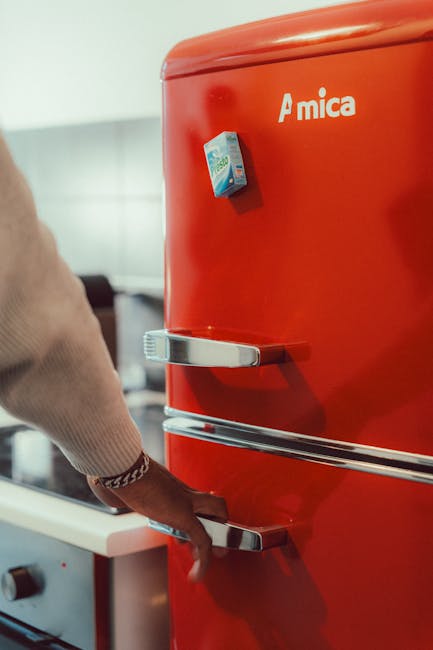
West Wickham to Coney Hall: fridge removal step-by-step
If you need a fridge removed between West Wickham and Coney Hall, the job looks simple on the surface: lift, load, go. In reality, a safe fridge removal step-by-step process involves planning, disconnection, lifting technique, access checks, and the right disposal route. Get one part wrong and you can end up with water on the floor, damage to flooring, or a very awkward moment on the stairs. Nobody needs that.
This guide walks you through the full process in plain English. You will see how fridge removal works, what to do before collection, how to avoid common mistakes, and when it makes more sense to use a professional clearance team. If you are also dealing with other bulky items, services such as furniture clearance or broader waste removal can be a useful next step. And if your clearance involves more than one room, home clearance or house clearance may be the smarter route.
The aim here is simple: help you remove a fridge cleanly, safely, and with as little disruption as possible. Whether you are clearing a rented flat, replacing an old appliance, or handling a full property clearance, this article gives you the practical details that matter.
Table of Contents
- Why the fridge removal process matters
- How the removal process works
- Key benefits and practical advantages
- Who this is for and when it makes sense
- Step-by-step guidance
- Expert tips for better results
- Common mistakes to avoid
- Tools, resources and recommendations
- Law, compliance, standards and best practice
- Options and comparison table
- Case study or real-world example
- Practical checklist
- Conclusion
- Frequently asked questions
Why West Wickham to Coney Hall: fridge removal step-by-step Matters
A fridge is one of the trickiest household items to remove correctly because it is bulky, heavy, awkwardly shaped, and often still cold or damp inside. It may look like a straightforward appliance, but once you start moving it, the risks become obvious. The weight is usually uneven, the doors can swing open, and the compressor at the back can make handling less forgiving than you might expect.
For local removals between West Wickham and Coney Hall, the challenge is often access rather than distance. Tight hallways, narrow doorframes, terraced-house steps, shared entrances, and small parking areas can all affect how smoothly the job goes. That is why a step-by-step approach matters so much. It reduces strain on you, protects the property, and helps the fridge reach its final destination without incident.
There is also the disposal side. A fridge is not just another piece of rubbish. It usually needs to be collected and processed through the right waste channel, particularly because of refrigerant gases and electrical components. A careful process supports safe handling and avoids unnecessary environmental harm. If sustainability matters to you, it is worth checking a provider's recycling and sustainability approach before booking.
Practical takeaway: fridge removal is not difficult because of any single step; it is difficult because several small steps need to happen in the right order.
How West Wickham to Coney Hall: fridge removal step-by-step Works
The process usually starts with preparation, then safe disconnection, then physical removal, then transport and disposal. If a professional crew is handling it, they will normally assess access first, confirm the appliance type and size, and decide whether the fridge can be moved upright or needs a more controlled angle. That last point matters because some units can leak if tipped too far for too long.
In a domestic setting, you will usually need to clear the route from the kitchen or utility room to the exit. That means checking for loose rugs, shoes, small furniture, pet bowls, children's toys, and anything else that could cause a stumble. It sounds obvious, but in real homes it is often the difference between a smooth removal and a stressful one.
If your fridge is part of a wider room or property clearance, a specialist team may combine the appliance removal with a flat clearance or even an office clearance if the item is from a workspace or staff kitchen. For property owners, that can save a second booking and reduce disruption.
The best process is also transparent. A good provider should be clear about access, timing, handling expectations, and what happens after collection. If you are comparing options, the details on pricing and quotes can help you understand how the booking is likely to be structured.
Key Benefits and Practical Advantages
Doing fridge removal properly is about more than lifting a heavy box out of a room. The real benefits are practical, immediate, and easy to appreciate once the job is done.
- Less risk of damage: Floors, walls, skirting boards, and door frames stay protected when the route is planned in advance.
- Safer handling: Fridges can be awkward and top-heavy, so a controlled process reduces back strain and slipping hazards.
- Cleaner disposal: Responsible collection ensures the appliance is dealt with in line with accepted waste practices.
- Faster replacement: If a new appliance is arriving, removal needs to happen without delaying installation.
- Better for landlords and agents: A punctual, tidy collection helps with voids, end-of-tenancy work, and handovers.
- Less stress overall: You do not have to improvise with blankets, friends, and a trolley borrowed from somewhere random.
There is another benefit that often gets overlooked: peace of mind. Once a fridge has been properly removed, you can clean the space, inspect for moisture or mould, and move on. That matters whether you are preparing a kitchen for sale, refreshing a rental, or clearing a family home.
For larger clearances, the same disciplined approach works across other rooms too. A single appliance job can be the first step toward a bigger declutter, especially if you are also sorting a garage, loft, or garden area. In those cases, garage clearance and loft clearance services can fit neatly into the overall plan.
Who This Is For and When It Makes Sense
Fridge removal makes sense for a wide range of people, and not just when an appliance stops working. Some of the most common situations are predictable, and a few are less obvious.
- Homeowners replacing an old fridge with a more efficient model.
- Renters moving out and needing the kitchen cleared quickly.
- Landlords and letting agents handling an abandoned or broken appliance.
- Families dealing with a kitchen refit or downsizing.
- Small businesses with staff fridges that need replacement or removal.
- People handling probate or estate clearances where appliances must be removed carefully and respectfully.
It also makes sense when the appliance is no longer safe to use. A faulty seal, persistent frost build-up, unusual noise, or poor cooling may all point to end-of-life rather than another repair. In that case, removal should be paired with proper disposal rather than left in the corner "for now." That corner tends to become permanent.
If the fridge is only one item among many, you might save time by combining it with furniture disposal or a broader household clearance plan. This is especially useful when you are trying to empty a property on a deadline.
Step-by-Step Guidance
Here is the most practical part: the actual fridge removal step-by-step process. You can use this whether you are doing the job yourself or checking that a clearance team has covered the essentials.
1. Empty the fridge completely
Remove all food, drinks, shelves, drawers, and loose containers. Check the door pockets too. Any leftover items can spill during movement, and nobody wants a half-melted ice cube tray dripping into a hallway. If you are defrosting a freezer section, allow enough time for ice to melt naturally and place towels underneath.
2. Disconnect safely
Switch off the power and unplug the appliance from the mains. If the fridge is plumbed in or has an ice-maker connection, disconnect the water supply carefully and follow the manufacturer's instructions where available. If you are unsure, it is wiser to ask a qualified person than to guess.
3. Defrost and dry the unit
If the fridge has a freezer compartment, defrost it fully before removal. Wipe up standing water and dry the interior. This helps prevent leaks during lifting and makes handling cleaner for everyone involved.
4. Measure the access route
Measure the width and height of doorways, corridors, stair turns, and any tight entrances. If the fridge has to come through a narrow point, knowing this in advance avoids a last-minute squeeze. Check whether handles, doors, or shelves need to be removed to create more clearance.
5. Protect the route
Lay down floor protection if needed, especially on wood, laminate, or freshly cleaned surfaces. Move items away from the path. If the removal is from a flat or upper floor, make sure the stairs are clear and well lit.
6. Plan the lift
Fridges are typically moved by two people, sometimes more depending on size and access. Use gloves with grip if needed, and lift with the legs rather than twisting from the back. Keep the appliance steady and communicate clearly. "Left a little" is helpful. "Somewhere over there" is not.
7. Move the fridge upright if possible
As a general rule, keeping the fridge upright is the safest approach. Short tilts are often unavoidable, but prolonged horizontal transport can create complications. If the appliance must be angled, keep the movement controlled and brief, then return it upright as soon as practical.
8. Load it securely
Once outside, secure the fridge in the vehicle so it cannot slide, tip, or strike other items. The load should be stable, with the doors restrained and the unit positioned to minimise movement. For mixed loads, place it so it does not crush softer items.
9. Dispose of it responsibly
Fridges should be taken to the appropriate waste stream or reuse route. Depending on condition, they may be recycled, broken down for materials recovery, or otherwise handled through compliant waste operations. If you want a provider that treats this seriously, see the local guidance on health and safety policy and insurance and safety.
10. Clean and inspect the space
After removal, wipe down the area where the fridge stood. Check for damp patches, dust, or wall marks, especially if the appliance had been sitting there for years. This is a good moment to inspect sockets, flooring, and neighbouring cabinets.
Expert Tips for Better Results
Once you have done a few removals, a pattern emerges: the details matter far more than the muscle. A few small choices can make the job noticeably smoother.
- Keep the route short and simple. Move parked cars if needed and open gates before lifting starts.
- Check hinges and handles. Loose parts can catch on door frames or shift during the move.
- Protect corners and thresholds. A folded blanket or purpose-made protector can prevent scuffs.
- Use the right timing. If possible, schedule removal before a kitchen delivery or renovation works begin.
- Ask about recycling. Responsible disposal is not just a nice extra; it is part of good service.
- Take photos before removal. This helps with landlord records, insurance, or tenancy handover notes if needed.
A practical local tip: if access is tight and the appliance needs to come through a shared entrance, tell the team in advance. It is much easier to prepare for one narrow stairwell than to discover it halfway through the job. That sort of detail is exactly what separates an efficient clearance from a frustrating one.
For service standards and customer-focused practices, you may also want to review the provider's about us page. It should give you a sense of how the team works, what they prioritise, and whether the service feels genuinely organised.
Common Mistakes to Avoid
Most fridge removal problems are avoidable. They happen when the job is rushed, under-planned, or treated like a casual bit of lifting rather than a proper removal task.
- Leaving food inside: This creates leaks, smells, and extra weight.
- Forgetting to defrost: Meltwater can flood floors and create slip hazards.
- Tipping the unit too long: This can complicate the transport process.
- Underestimating access: Tight stairs and corners are where damage usually happens.
- Trying to move it alone: That is how backs, walls, and confidence get tested all at once.
- Not checking disposal options: A fridge should not just be left out and hoped for the best.
Another common mistake is assuming that a "small fridge" is automatically easy. Compact appliances can still be awkward, especially if they have to be lifted over door thresholds or turned in a cramped hallway. Size helps, but shape and access matter more than most people expect.
Tools, Resources and Recommendations
You do not need a warehouse full of equipment to remove a fridge well, but a few basic tools make a real difference. These are the items worth considering if you are preparing the job yourself or simply want to understand what a professional crew should have on hand.
| Tool or resource | Why it helps | Best for |
|---|---|---|
| Work gloves | Improves grip and protects hands from sharp edges | Manual lifting and loading |
| Moving straps or a trolley | Makes heavy appliance movement more controlled | Longer routes and stairs |
| Floor protection | Reduces scuffs and marks on flooring | Wood, laminate, and tiled routes |
| Towels or absorbent sheets | Captures meltwater during defrosting | Fridges with freezer sections |
| Packaging tape or strap system | Keeps doors shut during transport | Loading and vehicle transit |
If you are not sure whether the fridge is suitable for resale, reuse, or disposal, look at condition first. Clean seals, intact shelves, and working cooling performance can point to reuse. Severe damage, persistent faults, or age-related failure usually mean disposal is the better path. If you need a broader clearance beyond one appliance, furniture clearance and waste removal pages can also help you plan the wider job.
When booking a service, ask about arrival windows, handling of stairs, and whether the quote includes loading and disposal. Clear expectations prevent awkward surprises. That is true whether you are dealing with one fridge or a full set of bulky items.
Law, Compliance, Standards, or Best Practice
Fridge disposal in the UK is not something to treat casually. While the exact method depends on the appliance, its condition, and the contractor involved, there are clear best-practice expectations around safe handling and responsible waste management.
In practical terms, that means the item should be moved without creating avoidable risk to people or property, and it should then be processed through a legitimate waste route. Fridges contain components that require proper treatment, so dumping one at the roadside or placing it out without checking local arrangements is not a good idea. If a company is collecting it, you want reassurance that they operate properly and carry the right protections.
That is why it is sensible to look at operational pages such as payment and security, terms and conditions, and recycling and sustainability. They help you understand how the service is delivered and what standards the business works to.
If the removal takes place in a managed building, rental property, or workplace, there may also be site-specific rules about lift use, access times, parking, or shared corridors. In those cases, best practice is to check before the day rather than trying to sort it out on the doorstep.
Options, Methods, or Comparison Table
There is more than one way to handle a fridge removal, and the best choice depends on urgency, access, and how much else needs clearing.
| Method | Best for | Pros | Trade-offs |
|---|---|---|---|
| Self-removal | Easy access, small appliance, capable helpers | Flexible timing, lower upfront cost | Higher physical risk, disposal logistics on you |
| Dedicated appliance collection | Single fridge, straightforward access | Simple, focused, usually efficient | May be less useful if you have more items |
| Full clearance service | Multiple bulky items or property clearance | Best for convenience and speed | Can be more than you need for one item |
| Combined furniture and appliance removal | Kitchens, rentals, downsizing, refurbishments | Good value when several items are going | Requires more planning |
If the fridge is one of several items, a combined visit is often the most efficient. That is especially true in end-of-tenancy situations, refurbishment projects, or family home clear-outs. In those cases, a service that also covers house clearance can save time and avoid duplicate visits.
Case Study or Real-World Example
Consider a typical local scenario: a homeowner in West Wickham is replacing an old fridge-freezer before a kitchen refresh, while a relative in Coney Hall needs the same appliance removed from a rental flat with a narrow stairwell. Both situations involve the same item, but the removal approach is different.
In the first case, access is fairly open, so the job can focus on safe disconnection, floor protection, and a tidy load-out. The main concern is timing so the new appliance can be delivered without delay. In the second case, the narrow stairwell and shared entrance become the key issue. The fridge may need extra handling care, clear communication with neighbours or building management, and a stricter plan for moving it upright through the route.
The lesson is simple: the item matters, but the setting matters just as much. A professional-looking result comes from matching the method to the space, not from forcing the same approach everywhere.
That is also why transparent service information is valuable. A company that is clear about its process, coverage, and service boundaries tends to be easier to work with. If you want to understand how a team presents itself, the about us and contact us pages are useful starting points.
Practical Checklist
Use this checklist before the fridge is moved. It keeps the task calm and organised.
- Empty all food, shelves, and drawers.
- Switch off and unplug the appliance.
- Disconnect any water line if applicable.
- Defrost and dry the interior fully.
- Measure doorways and stair turns.
- Clear the route from kitchen to exit.
- Protect floors and thresholds.
- Arrange at least two people for heavier units.
- Keep the fridge upright where possible.
- Confirm disposal or recycling arrangements in advance.
- Check parking and access at the collection point.
- Inspect the area afterwards for moisture or marks.
If you are booking a clearance team, you can also use this moment to ask about insurance, handling, and what happens if access is trickier than expected. Good providers answer those questions without fuss. They should.
Conclusion
Fridge removal between West Wickham and Coney Hall is straightforward when it is planned properly, but risky when it is rushed. The safest approach is always the same: empty it, disconnect it, defrost it, measure the route, protect the property, move it carefully, and dispose of it through the right channel. Once you break the job into those steps, it becomes much more manageable.
For many readers, the real decision is not whether a fridge can be moved, but whether it is worth handling alone. If the access is tight, the appliance is heavy, or there are other bulky items involved, a professional clearance service is often the more efficient choice. That is especially true when a simple appliance removal turns into a wider room or property clearance.
Get a free quote today and see how much you can save.
Frequently Asked Questions
How do I prepare a fridge for removal safely?
Empty it fully, unplug it, disconnect any water supply, and defrost it before moving. Wipe up condensation and clear the route so the appliance can come out without obstruction.
Can a fridge be moved on its side?
It is generally better to keep a fridge upright where possible. Short, controlled tilts may happen during movement, but prolonged transport on its side can create issues and should be avoided if you can reasonably prevent it.
Do I need to defrost the freezer before collection?
Yes, if the fridge has a freezer compartment or frost build-up. Defrosting reduces leaks, prevents slippery floors, and makes the removal cleaner and safer.
Is fridge removal included in furniture clearance?
It can be, depending on the service and what else is being removed. If you have several bulky items, a broader clearance service is often more efficient than booking the appliance separately.
What should I check before booking a local removal service?
Look at access handling, disposal arrangements, insurance, and whether the quote clearly explains what is included. It also helps to check the company's service pages and contact details before confirming.
Can I leave an old fridge outside for collection?
Only if local arrangements and the collector's instructions allow it. Leaving appliances out without confirming the process can cause access issues or missed collections, so it is better to plan it properly.
How heavy is a typical fridge to move?
It varies by model, size, and age. Even a compact unit can be awkward because of its shape and weight distribution, so it is usually safer to assume it needs two people.
What happens to the fridge after removal?
Depending on its condition, it may be recycled, dismantled for materials recovery, or otherwise handled through an approved waste route. Responsible disposal is an important part of the process.
Is it worth removing the fridge myself?
If the access is easy, the appliance is small, and you have help, it can be manageable. If there are stairs, tight corners, or a full property clearance, a professional service is usually the calmer option.
Can a broken fridge still be collected?
Yes, broken appliances are often collected. In fact, many removals involve non-working units. The main thing is to confirm access, handling, and disposal expectations before the visit.
What if my fridge is part of a larger clearance?
Then it is often better to arrange a broader collection. Services like home clearance or furniture disposal can make the whole job simpler, especially if you are clearing several rooms.
How do I avoid damaging floors or walls?
Measure the route, remove obstacles, use floor protection, and never rush the turn through tight spaces. Good communication between helpers also reduces accidental bumps and scrapes.
Where can I ask about booking and availability?
If you want to discuss timing, access, or a quotation, use the provider's contact page. For a direct enquiry, try the local contact us page or review the available pricing and quotes information first.
Useful next step: if you are clearing more than just a fridge, review the wider service options and plan the collection once rather than in fragments. It saves time, reduces stress, and usually makes the whole job feel much more controlled.